



Healthy-looking skin needs regular care, proper hydration, and protection from the sun. However, dirt, excess oil, dead skin cells, and clogged pores can make the skin look dull and uneven. A HydraFacial is a professional facial treatment designed to cleanse, exfoliate, extract impurities, and hydrate the skin in one session.
Unlike a basic facial, a HydraFacial uses a specialised device to exfoliate the skin and remove debris from pores while applying hydrating serums. The treatment can help improve the appearance of dullness, dryness, clogged pores, and uneven skin texture.
Before booking a treatment, it is important to understand how a HydraFacial works, its benefits, possible side effects, and the aftercare required to maintain the results.
TL;DR
A HydraFacial is a facial that uses a handheld device to cleanse, exfoliate, extract and hydrate the skin in about an hour. It can leave skin smoother, brighter and more hydrated, and it usually needs no recovery time. The results are cosmetic and temporary, and research on its benefits is still limited. Side effects are usually mild, such as redness or stinging. If you have a skin condition, are pregnant or use strong skin medicines, speak to a doctor before booking.
What Is a HydraFacial?
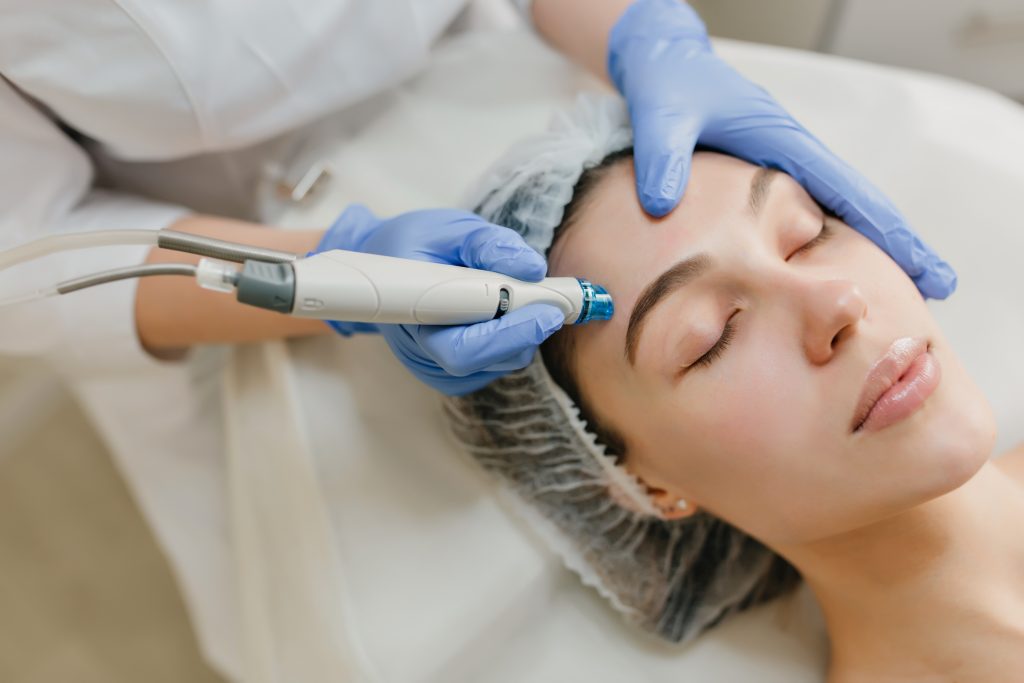
A HydraFacial is a professional skincare treatment that uses a specialised device to cleanse the skin, remove dead skin cells, extract impurities, and apply hydrating serums.
The treatment uses a technique commonly described as hydradermabrasion. It combines gentle exfoliation with a device that helps remove surface debris and congestion while delivering skincare solutions to the skin.
HydraFacial treatments can be customised according to individual skin concerns. Depending on the treatment selected, the procedure may include targeted serums, exfoliating solutions, or additional treatments.
According to the official HydraFacial treatment guide, the treatment can be tailored to address concerns such as dryness, clogged pores, uneven skin tone, and fine lines.
A HydraFacial is a cosmetic treatment, not a permanent solution for every skin concern. The results depend on your skin condition, the treatment selected, and your regular skincare routine.
What Are the Benefits of a HydraFacial?
A HydraFacial offers several benefits for people who want to improve their skin’s appearance without undergoing an invasive procedure.
1. Helps Remove Dead Skin Cells
Dead skin cells can collect on the skin’s surface and make it look rough or dull. HydraFacial uses gentle exfoliation to remove some of this buildup and reveal smoother-looking skin.
Regular exfoliation may help improve the appearance of skin texture. However, the treatment should be adjusted to your skin’s sensitivity and needs.
2. Improves Skin Hydration
Dehydrated skin can feel tight and appear dull. A HydraFacial applies hydrating serums that help the skin retain moisture and look smoother.
Better hydration can make fine lines caused by dryness less noticeable. It does not permanently remove wrinkles or stop the natural ageing process.
3. Helps Clear Clogged Pores
Excess oil, dead skin cells, and other debris can collect inside pores. HydraFacial uses a specialised extraction process to help remove this buildup.
This may improve the appearance of congested skin and blackheads. However, it does not permanently shrink pores or guarantee that blackheads will not return.
4. Gives Skin a Brighter Appearance
Dull-looking skin can result from dryness, surface buildup, and uneven texture. By cleansing and exfoliating the skin, a HydraFacial may help create a fresher, more radiant appearance.
Many people notice smoother and brighter-looking skin soon after treatment, although results vary from person to person.
5. Helps Improve the Appearance of Uneven Texture
Rough skin texture can make the complexion appear less smooth. HydraFacial combines exfoliation and hydration to improve the appearance of the skin’s surface.
It may be suitable for people who want smoother-looking skin. Deeper acne scars and significant textural concerns may require other treatments.
6. Can Be Customised for Different Skin Concerns
HydraFacial treatments can be adjusted according to concerns such as dryness, congestion, and dullness.
The products and treatment intensity should be selected after considering your skin type, sensitivity, and existing skincare routine. People with active skin conditions should seek professional advice before treatment.
How Does a HydraFacial Work? Step-by-Step Procedure
A HydraFacial generally follows a series of steps that cleanse the skin, remove impurities, and restore hydration. The exact procedure may vary depending on the treatment package and the provider.
Step 1: Skin Cleansing
The treatment begins with cleansing to remove surface dirt, oil, makeup, and other impurities.
This prepares the skin for exfoliation and allows the practitioner to assess its condition before proceeding.
Step 2: Exfoliation
A specialised device helps remove dead skin cells from the outer layer of the skin.
Some treatment options also use a mild exfoliating solution to loosen surface buildup. The products and intensity should be selected according to the individual’s skin condition.
Step 3: Pore Extraction
The device uses controlled suction to help remove impurities from clogged pores.
This process is designed to be gentler than manually squeezing blackheads. However, people with inflamed acne, irritated skin, or active skin infections may need to postpone treatment.
Step 4: Hydration and Serum Application
Hydrating solutions and skincare serums are applied to help improve the skin’s moisture levels and appearance.
The products used depend on the treatment selected and the skin concerns being addressed.
Step 5: Finishing Skincare
The practitioner may finish with moisturiser and sunscreen. Additional options, such as LED light therapy or targeted serums, may be available depending on the treatment package.
A standard session commonly takes around 30 to 60 minutes, although the duration depends on the services included.
What Are the Possible Side Effects of a HydraFacial?
A HydraFacial is generally well tolerated, but it can still cause side effects. The risk depends on the person’s skin condition, sensitivity, the products used, and the treatment intensity.
Possible side effects include:
Temporary redness: The skin may look slightly red immediately after treatment.
Mild irritation: Some people may experience stinging, itching, or a tight feeling.
Sensitivity: Exfoliation may temporarily make the skin more sensitive, particularly if it is already irritated.
Breakouts: Some people may notice new blemishes after treatment. Persistent or worsening breakouts should be assessed by a skincare professional.
Allergic reactions: Certain serums or ingredients may trigger a reaction in people with specific allergies or sensitivities.
These effects are not experienced by everyone, and many people return to their usual activities soon after treatment.
HydraFacial Aftercare: What Should You Do After Treatment?
What you do after the treatment affects how long the results last. For the first 24 to 48 hours:
- Use sunscreen with SPF 30 or higher, and avoid direct sun.
- Moisturise with a gentle product, and keep the skin hydrated.
- Skip harsh products such as scrubs, strong acids and retinoids unless your skin expert says otherwise.
- Avoid heavy makeup for the first few hours so the skin can settle.
- Do not pick or squeeze your skin.
- Avoid hot showers, saunas and steam for a day or so.
Your skin expert will give you exact instructions based on your skin and the products used.
How Often Should You Get a HydraFacial?
Many skin experts suggest about once a month, since your skin renews itself over roughly that time. Some people choose a different gap depending on their goals and budget. Your skin expert will suggest a plan after assessing your skin.
If you plan to repeat the service, Manisa’s membership plans offer bonus credit and Loyalty Glow Points that you can use across salon, aesthetics and spa services.
Conclusion
A HydraFacial is a practical way to deep-clean and hydrate your skin without any recovery time. It works best as part of a regular skin care routine, with realistic expectations and careful aftercare. Check that it is suitable for your skin, especially if you have a skin condition, are pregnant or use strong medicines.
If you want a skin assessment and a plan that fits your skin, contact Manisa Salon for a free consultation, or read more about our Hydra Facial service. For a general overview from another source, see the Healthline guide to HydraFacial.
Frequently Asked Questions
Most people describe the treatment as comfortable. You may feel the device moving across your skin, but the procedure should not cause significant pain. Tell your practitioner if you experience discomfort.
It is best to wait at least 24 hours before applying makeup after a HydraFacial. This gives your skin time to settle after exfoliation and extraction. During this period, use a gentle cleanser, a moisturiser, and sunscreen, and avoid harsh skincare products. Follow your skincare professional’s advice if your skin feels sensitive or irritated.
A HydraFacial can help remove debris from clogged pores and improve the appearance of blackheads. Results vary, and blackheads may return as oil and dead skin cells accumulate.
It depends on the type and severity of your acne. A HydraFacial may help with some forms of congestion, but active inflammatory acne may need medical treatment or a different skincare approach. Seek professional advice before booking.
Neither treatment is automatically better for everyone. A HydraFacial uses a specialised device for exfoliation, extraction, and hydration, while traditional facials vary in their techniques and products. The right option depends on your skin concerns, preferences, and budget.